39 ice cream lab chemistry answers
The CHEMISTRY of Ice Cream . Lab #_____ Who knew chemistry could be so tasty! Today we will be investigating colligative properties and how they affect freezing points, and some yummy results of energy changes. Pre-Lab questions: 1. Read the article "Making Ice Cream: Cool Chemistry," ChemMatters, December 1995, pp. 4-7. Use information from the article and your knowledge of chemistry to answer the following questions completely. 1. Why would oily butter fat and water "normally refuse to mix"? 2. What allows these two substances to stay mixed in cream?
securely or else you will have SALTY ice cream!! 6. GENTLY knead the bags so that the ice cream solution is thoroughly mixed as it freezes. 7. Knead the bags for 10 minutes or until the solution reaches "Ice Cream" consistency. It's going to get cold so be careful! 8. When finished, open the gallon bag and remove the quart bag. 9.
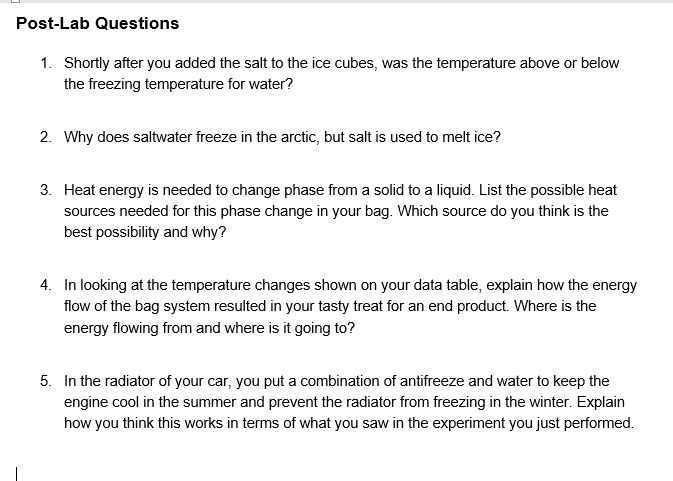
Ice cream lab chemistry answers
the ice cream could become. The ice cream mixture would still be a liquid. To freeze the ice cream mixture, it is necessary to use "colder" ice. Again, properties of solutions provide the answers. A salt-ice mixture has a lower freezing point than pure ice, so it acts as "colder" ice. The more salt added to the ice, the lower the ... Chemistry of Ice-Cream Making: Lowering the Freezing Point of Water Kit Contents QTY ITEM DESCRIPTION 7 Test tubes 1 Test tube rack 6 Tripour beakers, 250 mL 1 Graduated cylinder, 100 mL 1 Gram balance, accurate to 0.1 gram 1 Thermometer, 6" 2 Stir rods 1 Salt, 26 oz 1 Sugar, 1 lb 1 Foam cup 1 Teaspoon, metal 1 Lab notebook Welcome to the tenth episode of The Sci Guys. In this episode we will be investigating an experiment involving making ice cream in a bag with melting points ...
Ice cream lab chemistry answers. What a fun way to learn! Make up some ice cream to discuss solutions, mixtures, saturation points, melting point, freezing point and physical changes. The ice cream lab can be used at several grade levels. I use it in the fourth grade to discuss physical changes. I also used this activity in 5th, 6th, and 8th grade over my 25 years teaching. Countertop Chemistry Experiment 15 Ice Cream Adding a solute to a solvent lowers the freezing point of that solvent. This change in freezing point is referred to as a colligative property. In this experiment, you will use the lowered freezing point of water to chill another mixture (ice cream) to the solid state. Materials Subsitutions Ice Cream Chemistry Part V In this lab you will have sodium chloride (NaCl), sucrose (table sugar), water, and a heat source. You will be measuring the change in boiling point and using this change to determine the molar mass of each of these solutions. This lab procedure should be broken up into 3 parts: Ice Cream Lab Answers for Analysis & Application Questions 1. ... (The ice, the milk, the salt, the air in the baggie, the heat from your hands. The milk is the
Explanation of Process. 7) Pour 3/4 cup salt over the crushed ice and seal the larger bag SECURELY. 8) Put on mittens or wrap the bag in a thick towel. Knead or roll back and forth on the (lab) table. Be careful not to put too much pressure on the bag. 9) After 10 minutes, see if the mixture is frozen. If not, continue kneading. The purpose of this lab is to use the property of lowering freezing points by adding salt to water to produce ice cream. The traditional method of ice cream making, using ice and rock salt to freeze a milk and sugar mixture, involves the application of several chemistry principles: 1. Add 1/4 cup sugar, 1/2 cup milk, 1/2 cup whipping cream, and 1/4 teaspoon vanilla to the quart (small) Ziploc bag. Seal the bag securely. 2. Put 2-3 cups of ice into the gallon (large) Ziploc bag. 3. Use a thermometer to measure and record the temperature of the ice in the gallon bag. 4. Elaborate. 45 minutes. This is the part of the lesson where students are doing the lab. Once they have their prelab questions complete they come to the back of the classroom where they make their ice cream solution in one bag and then put it into the salt/ice solution in a second bag.
At the temperature of soft ice cram there is 50% liquid. At -18˚C (0˚F) there is only 20% liquid. When freezing ice cream, salt must be added to the water in the bag in order for the ice cream to freeze. Salt reduces the freezing point of water. Thus when salt is added to ice the ice melts. H2O(s) + heat → H2O(l). The salt is added to ice and lowers the freezing point of water from 0°C to -10°C. Packing the creamer cup in ice, water, and salt and then swirling to lower temperature evenly through the cup, results in an iced creamer cup. Safety Always wear safety goggles. Students should not drink the salt water solution Hello! My name is Ana. In my Chemistry class, we learned about freezing point and freezing point depression. This website discovers and researches why flavor scientist use Rock salt in the ice cream process.We discovered that the main reason Rock salt is used is due to the freezing point depression it causes. Ice cream is an emulsion—a combination of two liquids that don't normally mix together. Instead, one of the liquids is dispersed throughout the other. In ice cream, liquid particles of fat—called fat globules—are spread throughout a mixture of water, sugar, and ice, along with air bubbles (Fig. 1).
experiment 3: chemistry of ice cream Data Sheet Table | Chegg.com
· Apply these concepts to make ice cream! Do Now: Students will answer pre-lab questions utilizing prior knowledge. Questions are designed to get students thinking about energy changes involved in ice-cream production. Procedure: After we go over pre-lab questions on worksheet, we discuss the recipe. Don't give them the recipe, make your ...
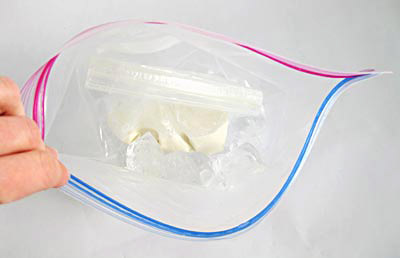
Chemistry of Ice-Cream Making: Lowering the Freezing Point of ...
Ice cream is a type of emulsion, a combination of fat and water that usually wouldn't mix together without separating. However, in an emulsion, the very small droplets of fat are dispersed through the water, avoiding this separation. The manner in which this is accomplished is a result of the chemical properties of molecules in the emulsion.
/https://tf-cmsv2-smithsonianmag-media.s3.amazonaws.com/blogging/featured/Hand_holding_a_sugar_cone_full_of_light_green_ice_cream.jpg)
The Strangely Scientific Endeavor of Making Ice Cream ...
By lowering the temperature at which ice freezes, you were able to create an environment in which the cream mixture could freeze at a temperature below 32℉ (0℃) and become ice cream. The shaking (or stirring in an ice cream maker) moves the warmer cream mixture from the inside to the outside of the bag so it can freeze evenly.

Ice Cream Lab- A Tasty Phase Change!
In this chemistry experiment you will be lowering the freezing point of water by adding salt to ice. The purpose of this experiment is to use this process to make homemade ice cream in a bag.

Ice Cream in a Baggie - Changes in Matter Review | Matter ...
22. $5.00. PDF. Ice Cream in a Bag is the perfect lab to teach students about changes of state, including endothermic and exothermic changes! In this Changes of State Lab, students will participate in making either ice cream or slushies to demonstrate the exchange of energy to melt ice and freeze liquids. In ad.

Energetic Reactions: Ice Cream Experiment Teacher Guide - PDF ...
In your ice cream the fat molecules in the cream are perfectly mixed with water, ice crystals, sugar, and small pockets of air to form a delicious cold treat. Digging Deeper To understand how the salt causes the ice to melt and lowers the overall temperature in the bag, you need to learn a little more about ice.
Define saturated supersaturated and unsaturated Saturated a ...
Make sure you have a tight seal. (If salt gets into the ice cream…it will taste bad!) ½ cup whole milk, 1 Tbsp Sugar, ¼ tsp. vanilla. 2. Fill a quart size freezer bag ½ full of ice. Record the temperature of the ice. Also record the room temperature. 3. Add ½ cup of ice cream salt to the ice.

bag ice cream recipe 1 What happened | Course Hero
Ice has to absorb energy in order to melt, changing the phase of water from a solid to a liquid. When you use ice to cool the ingredients for ice cream, the energy is absorbed from the ingredients and from the outside environment (like your hands, if you are holding the baggie of ice!).
Why must I put salt with ice in an ice cream freezer? Salt ...
Ice cream, a mixture of milk, sugar and vanilla, is really an aqueous mixture with many particles in each liter. Because of this the freezing point of ice cream is lower that that of water, so to freeze ice cream, or to keep it frozen, you must keep its temperature significantly below 0 degrees Celsius.

ICE CREAM LAB The Chemistry of Ice Cream
Chemistry and. sion—a combination of two liquids that do not normally mix together. Instead, one of the liquids is dispersed throughout the other. in ice cream, liquid particles of fat—called fat globules—are spread throughout a mixture of water, sugar, and ice, along with air bubbles

Making Ice Cream In A Bag Lab Worksheets & Teaching Resources ...
7. The mixture will freeze into ice cream in about 5 to 9 minutes. 8. When the ice cream feels frozen, remove the inner bags and rinse the outside of the bag with water to remove any of the salt mixture. 9. Use your spoon and eat your homemade ice cream right out of the bag! 10. Dispose of the plastic bags and spoon in the garbage. 11. Reverse ...

The Sci Guys: Science at Home - SE1 - EP10: Melting Points: Ice Cream in a Bag - 10 Minute Ice Cream
Welcome to the tenth episode of The Sci Guys. In this episode we will be investigating an experiment involving making ice cream in a bag with melting points ...

Homemade Ice Cream in a Bag Science Experiment | Study.com
Chemistry of Ice-Cream Making: Lowering the Freezing Point of Water Kit Contents QTY ITEM DESCRIPTION 7 Test tubes 1 Test tube rack 6 Tripour beakers, 250 mL 1 Graduated cylinder, 100 mL 1 Gram balance, accurate to 0.1 gram 1 Thermometer, 6" 2 Stir rods 1 Salt, 26 oz 1 Sugar, 1 lb 1 Foam cup 1 Teaspoon, metal 1 Lab notebook

The CHEMISTRY of Ice Cream Worksheet | Chemistry, Worksheets ...
the ice cream could become. The ice cream mixture would still be a liquid. To freeze the ice cream mixture, it is necessary to use "colder" ice. Again, properties of solutions provide the answers. A salt-ice mixture has a lower freezing point than pure ice, so it acts as "colder" ice. The more salt added to the ice, the lower the ...

Energetic Reactions: Ice Cream Experiment Teacher Guide - PDF ...
Ice cream as

Homemade Ice Cream – Science and Food

Blippi My First Science Kit: Kitchen Science Lab - 4 Kitchen Science Experiments - Make Real Ice Cream + Bubbling Lava Lamp - Kitchen Chemistry Set ...

colligative properties making ice cream lab answers

Colligative Properties Lab
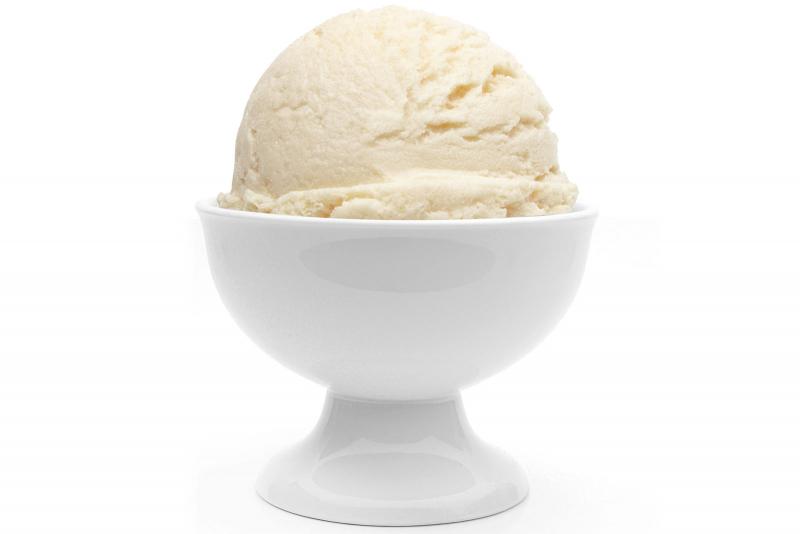
Ice Cream Science Projects | LoveToKnow
Untitled

Ice Cream Lab- A Tasty Phase Change! - PDF Free Download

Scientific Explorers Ice Cream Science Kit

Ice Cream Thermodynamics Lab modified.docx - ICE CREAM ...
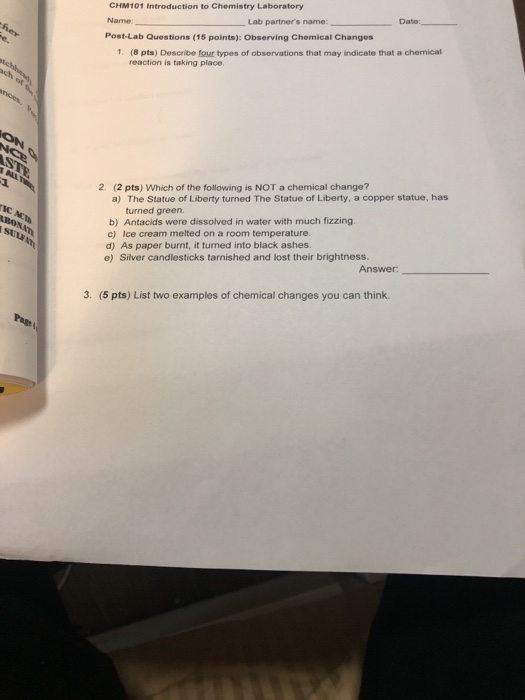
Solved CHM101 Introduction to Chemistry Laboratory Name ...
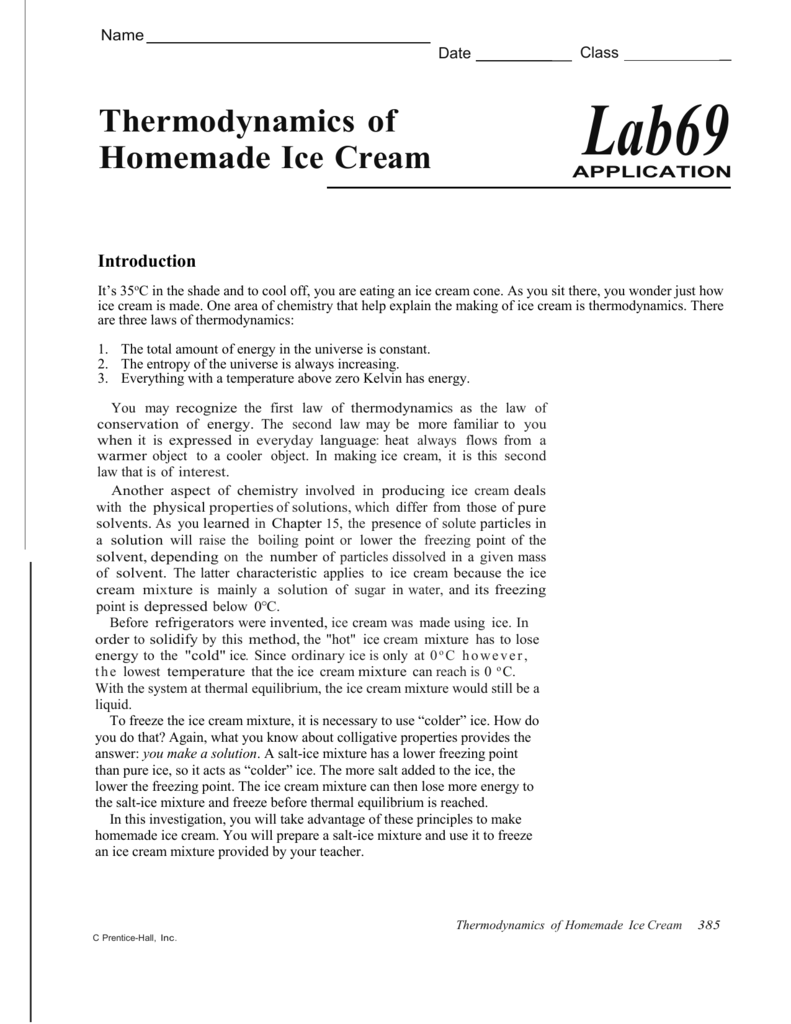
Ice Cream LAB
The Chemistry of Ice Cream: An Endothermic Reaction - ppt ...

become liquid all over again 8 If pure ice was used instead ...
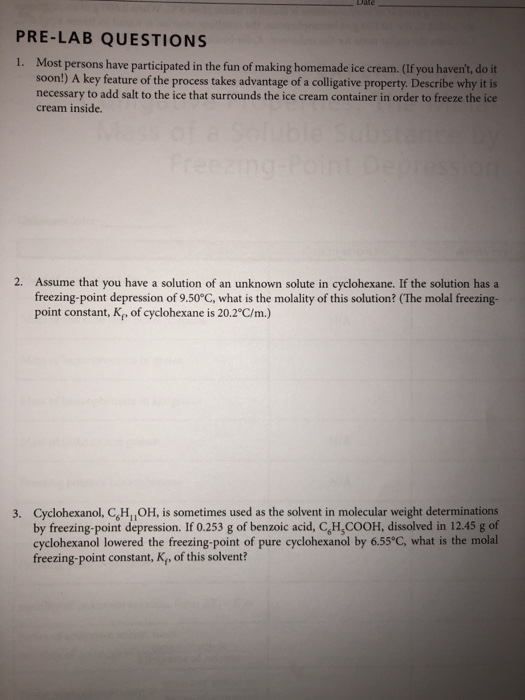
Solved PRE-LAB QUESTIONS 1. Most persons have participated ...

Ice Cream Lab Lesson Plan for 4th - 7th Grade | Lesson Planet
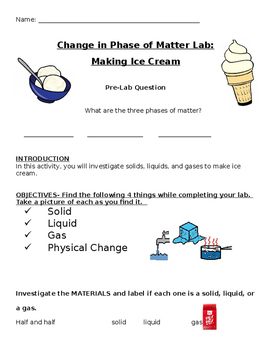
Making Ice Cream Lab: Phases of Matter

Lab (20 pts) (Formative) Shadow

Ice Cream Lab (a Review Lesson for IMF's and Thermochemistry ...
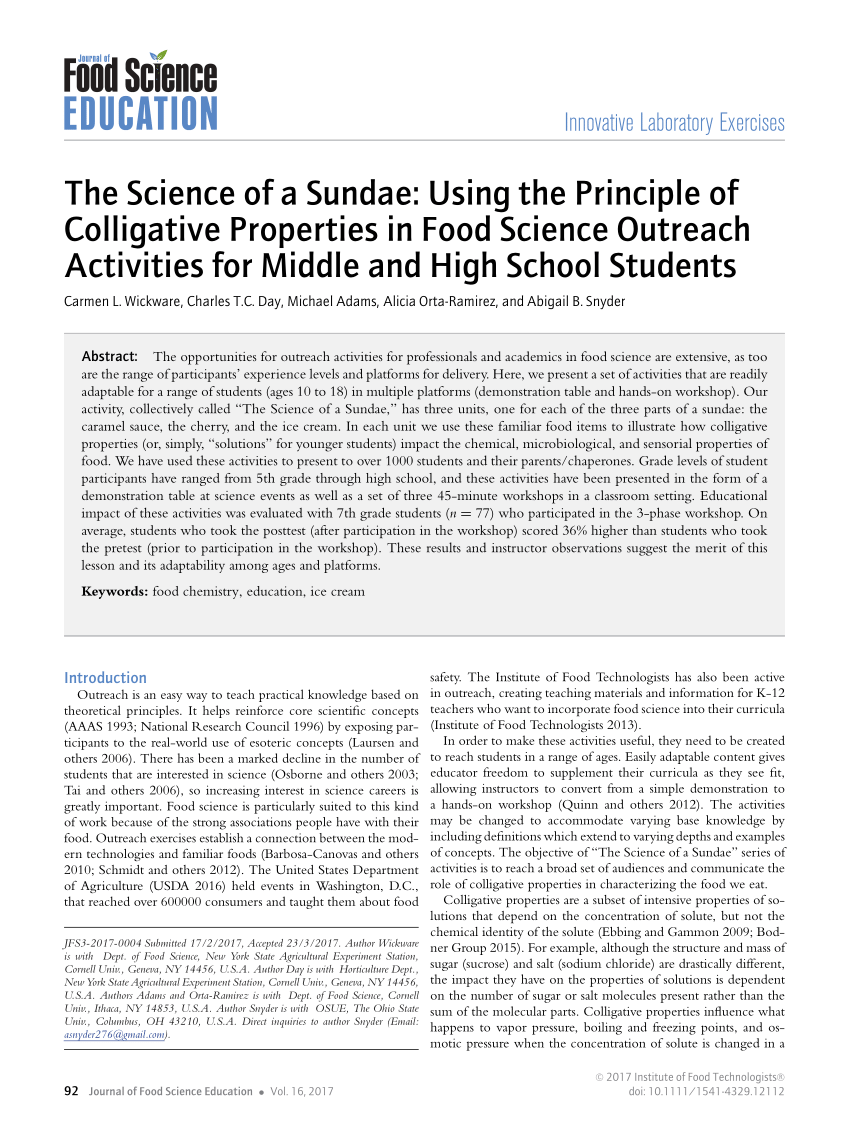
PDF) The Science of a Sundae: Using the Principle of ...

Ice Cream Lab
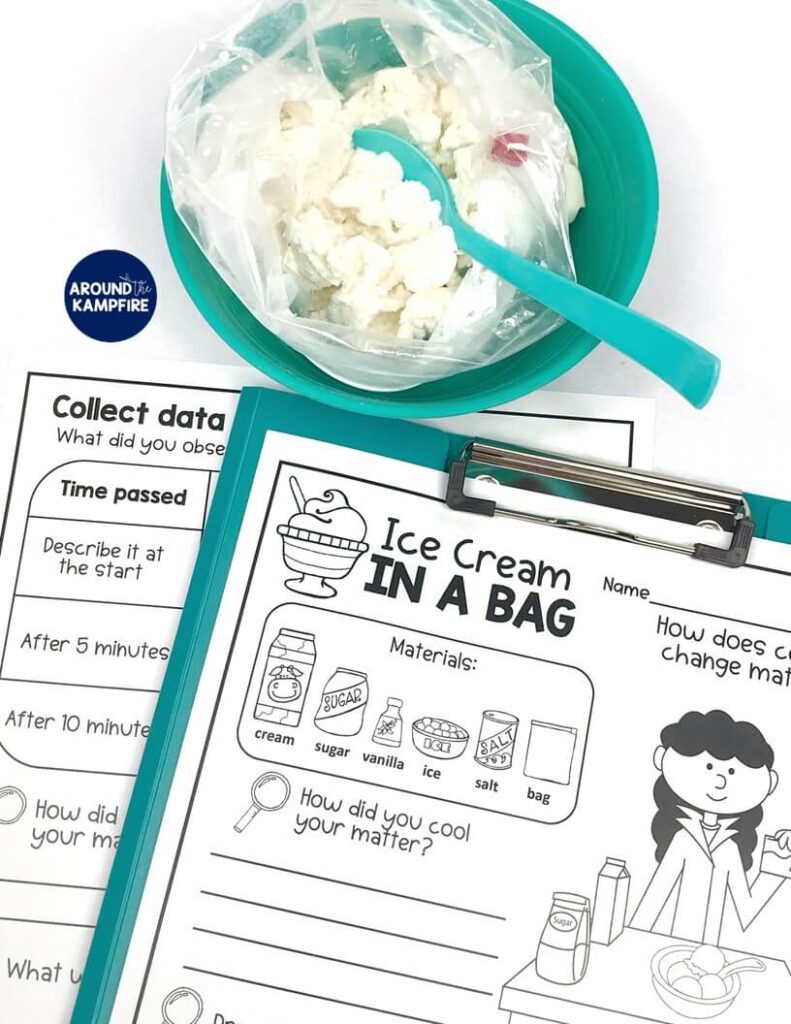
Ice Cream in a Bag: Changing Matter Experiment for Second ...

Blippi My First Science Kit: Kitchen Science Lab - 4 Kitchen Science Experiments - Make Real Ice Cream + Bubbling Lava Lamp - Kitchen Chemistry Set ...

Energetic Reactions: Ice Cream Experiment Teacher Guide - PDF ...
0 Response to "39 ice cream lab chemistry answers"
Post a Comment